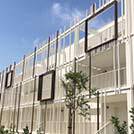

Building façade cladding : a modern and aesthetic solution for a remarkable architectural concept.
Do you want to imagine the ideal cladding with invisible fixings and enhance the appearance of a building façades in an aesthetic, durable, and economical way ?
Opt for architectural façade cladding: aluminum façade cladding systems or aluminum window surround frames.
Regardless of the type of support (concrete, wood, or metal cladding, etc.), façade cladding is an important element in the construction or renovation of buildings. It contributes to the aesthetic enhancement of the structure and improves the living environment for occupants. TELLIER BRISE-SOLEIL's façade cladding systems play a vital role in the design and appearance of a building, while also performing multiple functions related to energy performance (solar shading, summer comfort, etc.).
The building envelope, specifically the façades of a structure, represents the boundary between the interior volume and the exterior environment. The appearance of a building therefore depends heavily on how the façade cladding systems are designed.
Today, façades featuring architectural cladding are increasingly innovative, both in terms of the materials used and their geometries. The creation and renovation of the building envelope utilize advanced industrial building systems such as aluminum façade cladding profiles or aluminum window surround frames, as well as modern design and production methods (BIM objects, etc.).
Façades are not just technical objects; they also reflect the identity of the construction and the values of the client (commercial, industrial, local authority, etc.). They convey the vision, intent, and message of the architect's project. The variety of shapes, colors, and finishes allows designers to translate a creative vision into an innovative architectural concept. As major elements, façades provide the first visual contact between the user and the building. They require careful treatment to fully integrate the building into its environment.
Finally, the choice of cladding to provide architectural cladding and define its appearance over time is essential. Installing façade cladding profiles with invisible fixings or window surround frames is beneficial for the embellishment of the building and its suitability for the environment, as well as for the economic value of the structure.
Façade cladding profiles
A façade cladding profile consists of two clip-on aluminum elements that allow for the creation of a façade coating without visible fixings.
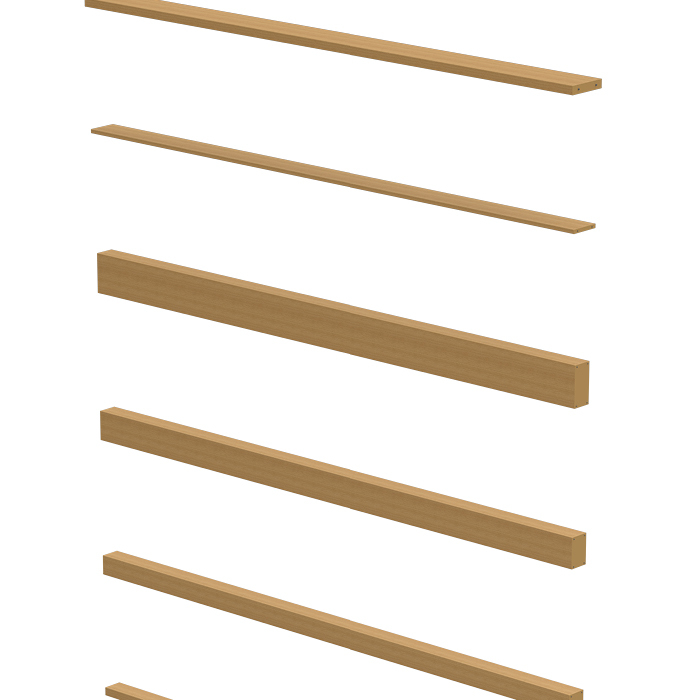
The benefits of an aluminum façade cladding profiles :
- Bring all architectural concepts to life
- Habiller une façade sans fixation apparenteEnhance a façade without visible fixings
- Provide architectural cladding
Discover our range of façade cladding profiles :
Façade cladding profiles
Window surround frames
A surround frame is an external aluminum device that dresses and gives rhythm to a façade while limiting solar radiation.
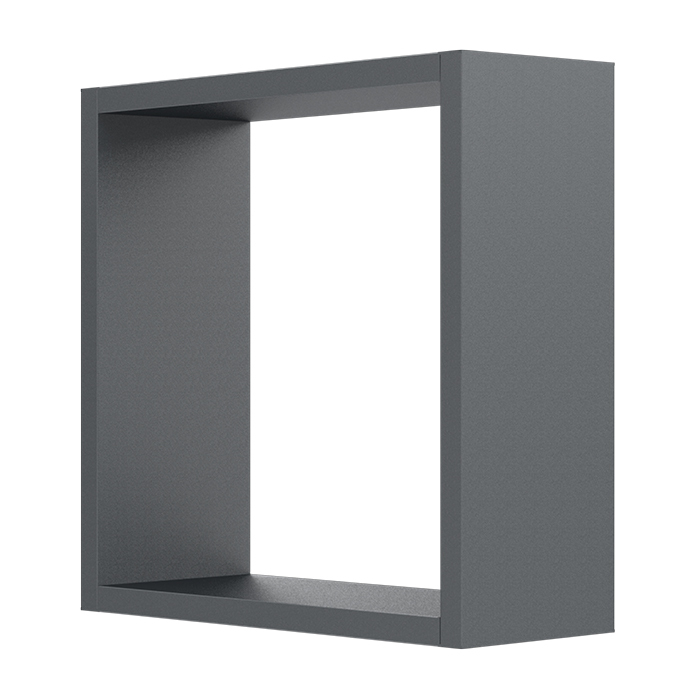
The benefits of an aluminum window surround frame :
- Enhance the building's appearance
- Prevent building overheating
- Provide an architectural signature
Discover our range of window surround frames :