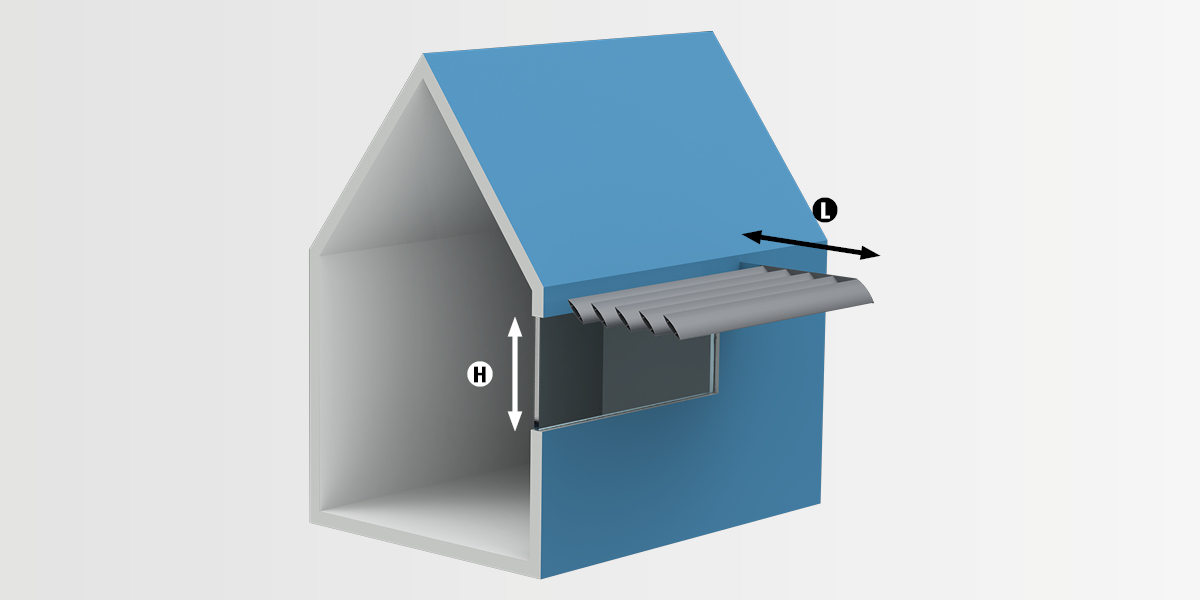

Solar shading
Introduction
The sun's path
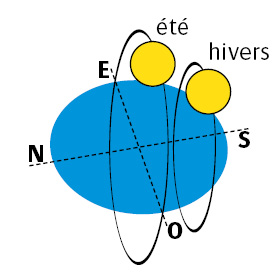
The path of the sun is a key consideration in architectural design. Depending on usage, the orientation and placement of glazed openings makes it possible to utilize the benefits of the sun or, conversely, to protect against excessive heat. The sun's path changes depending on the season.
It evolves between two extremes at the summer (June) and winter (December) solstices. In summer, the sun is very high in the sky, whereas in winter, it is very low on the horizon. Finally, the sun's positioning also varies according to orientation :
- South is the direction where solar gain is the greatest.
- North is the direction where there is no direct solar radiation, therefore no light variation or thermal gain.
What is an architectural sunshade ?
Functionality & Usage
Definition of a sunshade
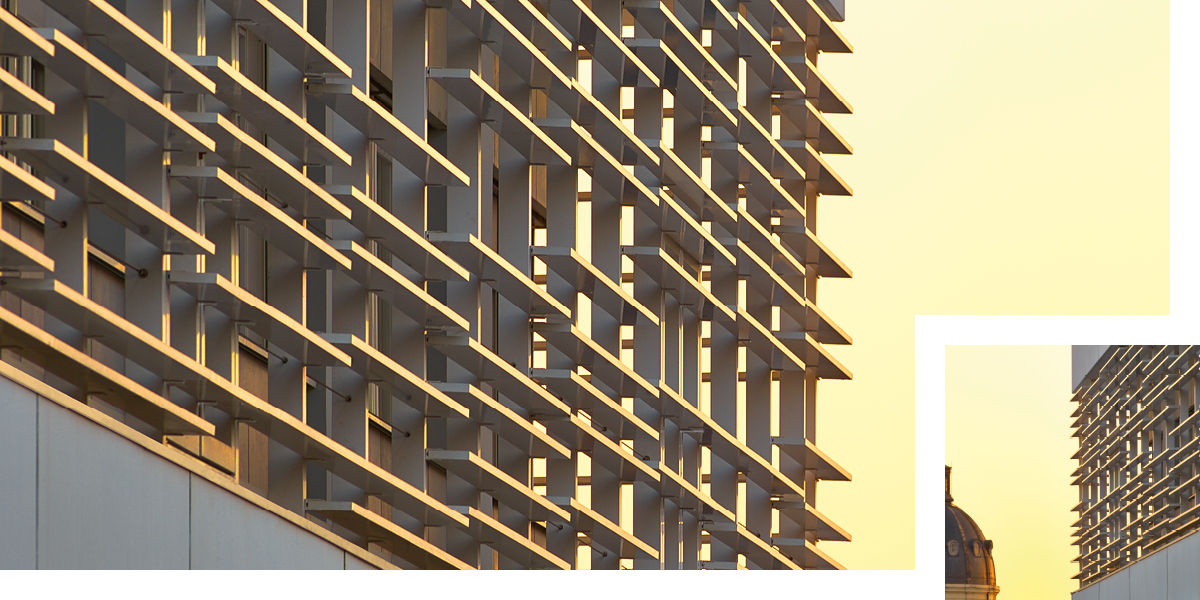
- By definition, a sunshade is an external device, either fixed or adjustable, that limits solar radiation reaching glazed façades . It is an architectural element used to reduce discomfort caused by solar radiation.
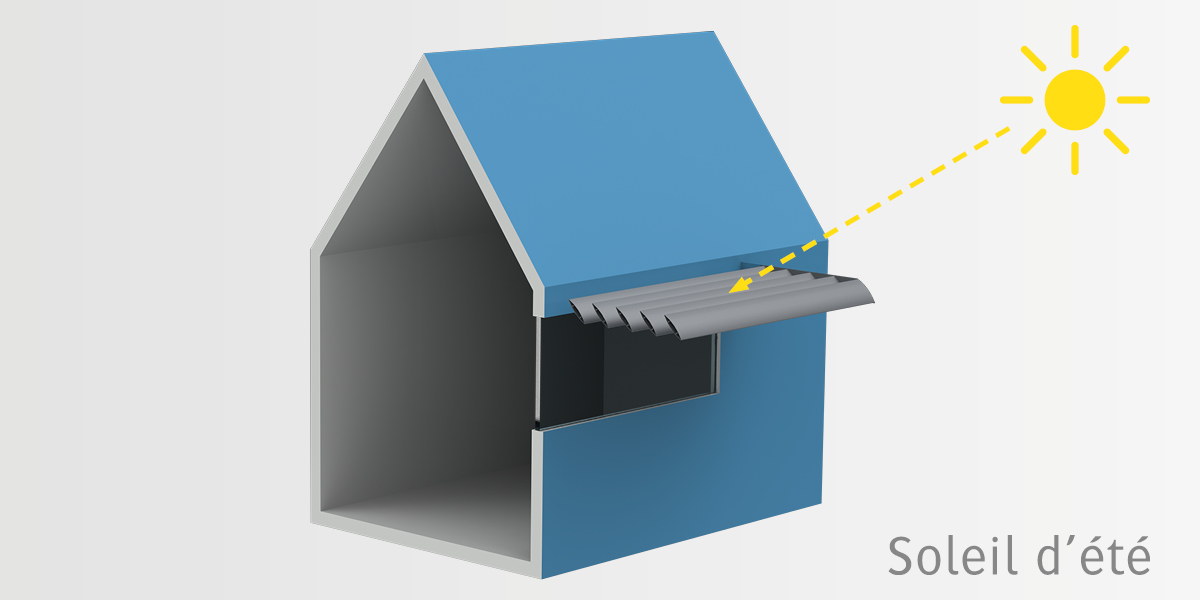
- While sought after in winter to heat the building, solar radiation can become a source of discomfort in summer if it is not controlled. Consequently, solar shading systems have a role to play by intercepting solar radiation before it passes through the glazed surface and overheats the room. Installing a sunshade protects your building from intense heat. It is anefficient, sustainable, aesthetic and cost-effective solution.
Finally, sunshades are increasingly promoted in the design of buildings known as High Environmental Quality (HQE) and Low-Energy Buildings (BBC).
Types of solar shading systems
For each situation, a specific type of sunshade is preferred :
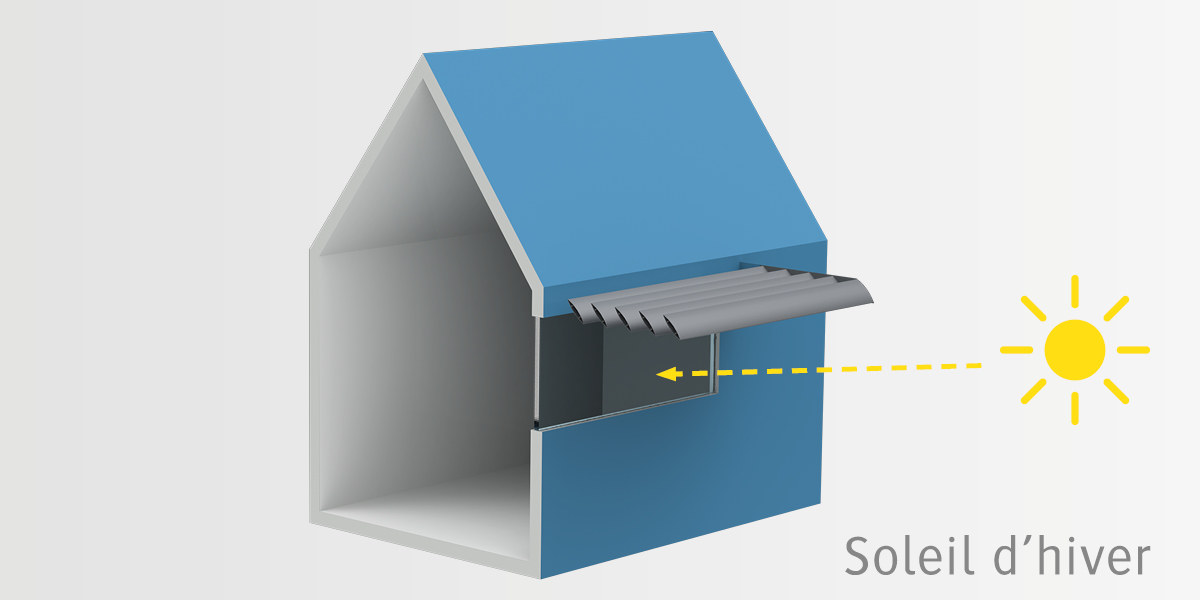
- Ideal for south-facing orientations, horizontal shading systems operate like an overhang. In summer, when the sun is high in the sky, they block the rays and cast a vertical shadow on the glazing, whereas in winter, when the sun is low, the rays penetrate and you benefit from the warmth.
- Ideal for east and west-facing orientations, vertical shading systems stop the rays of the sun when it is low on the horizon. They can be adjustable to make the most of solar gains in winter. With this solution, the user can adjust shading levels according to their needs and desires.
Sunshade Design and Sizing
- Please note that fixed and adjustable sunshades must be designed and sized based on a dedicated solar study in order to allow optimal solar shading against summer overheating without hindering winter solar gains.
- When sizing a sunshade, we consider : the sun's path, the façade orientation, the glazing dimensions and the daylight requirements.